Best Peptides for Joint Health (2026 Guide)
A comprehensive guide to the best peptides for joint health, cartilage repair, and osteoarthritis management. Covers BPC-157, TB-500, GHK-Cu, and AOD-9604 with evidence ratings, mechanisms of action, and clinical research.
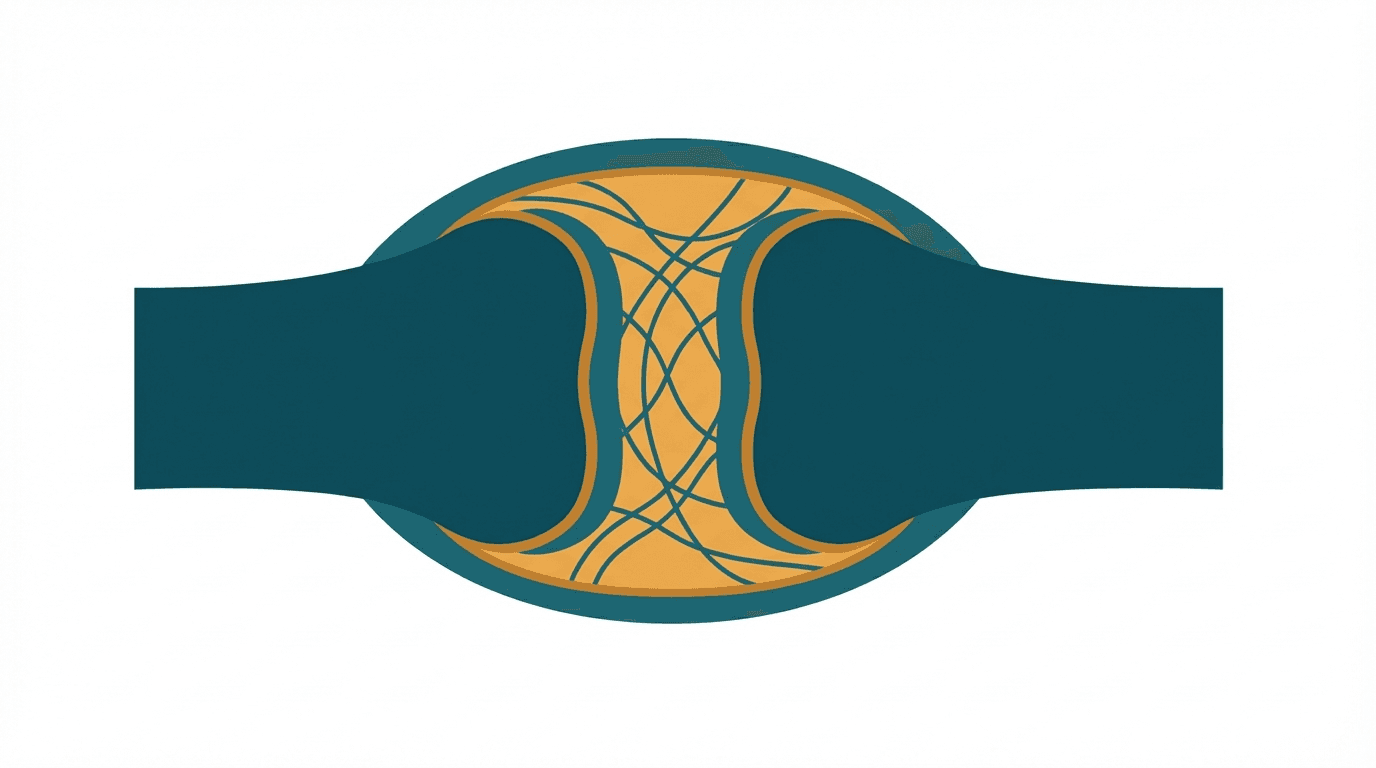
Overview
Degenerative joint conditions affect over 32 million adults in the United States, with osteoarthritis being the most common form. Traditional treatments focus on symptom management — NSAIDs reduce inflammation but may actually accelerate cartilage degradation with long-term use, and hyaluronic acid injections provide only temporary cushioning. Peptides represent a paradigm shift by targeting the underlying biology of joint deterioration: BPC-157 and TB-500 promote genuine tissue repair through angiogenesis and cell migration, GHK-Cu stimulates collagen and glycosaminoglycan synthesis critical for cartilage matrix integrity, and AOD-9604 is being investigated for its direct chondroprotective properties. These mechanisms address root causes rather than merely masking symptoms.
Best Peptides for Joint Health
Mechanism: Promotes angiogenesis and tendon fibroblast growth via VEGF and FAK-paxillin pathway activation; upregulates growth hormone receptors in injured joint tissues and reduces inflammatory cytokines in synovial fluid
Key benefit: Accelerates repair of damaged tendons, ligaments, and joint capsule tissues surrounding affected joints
Mechanism: Upregulates actin to promote cellular migration to injured joint tissues; reduces inflammation through downregulation of NF-kB and inflammatory cytokines; promotes extracellular matrix remodeling
Key benefit: Systemic anti-inflammatory and regenerative effects that reach deep joint structures with poor blood supply
Mechanism: Stimulates synthesis of collagen types I and III, glycosaminoglycans, and decorin — key structural components of cartilage and joint connective tissue; delivers copper essential for lysyl oxidase cross-linking activity
Key benefit: Supports cartilage matrix rebuilding and connective tissue strengthening through enhanced collagen and proteoglycan production
Mechanism: Modified fragment of human growth hormone (hGH 177-191) that stimulates proteoglycan and collagen synthesis in chondrocytes without the insulin resistance or proliferative risks of full-length GH
Key benefit: Directly targets cartilage regeneration with a favorable safety profile; granted FDA GRAS status for oral administration
Quick Comparison
| Peptide | Efficacy | Key Benefit | Profile |
|---|---|---|---|
| BPC-157 | high | Accelerates repair of damaged tendons, ligaments, and joint capsule tissues surrounding affected joints | View → |
| TB-500 | high | Systemic anti-inflammatory and regenerative effects that reach deep joint structures with poor blood supply | View → |
| GHK-Cu | moderate | Supports cartilage matrix rebuilding and connective tissue strengthening through enhanced collagen and proteoglycan production | View → |
| AOD-9604 | emerging | Directly targets cartilage regeneration with a favorable safety profile; granted FDA GRAS status for oral administration | View → |
References
- Stable gastric pentadecapeptide BPC 157 in the treatment of collagen-induced arthritis in rats (2011) — PubMed
- Thymosin β4 promotes angiogenesis, wound healing, and hair follicle development (2007) — PubMed
- GHK peptide as a natural modulator of multiple cellular pathways in skin regeneration (2015) — PubMed
- AOD9604 — a novel anti-obesity drug which has no effect on the IGF system (2001) — PubMed
- A randomized, double-blind, placebo-controlled trial of AOD-9604 in obese subjects (2009) — PubMed
Frequently Asked Questions
What are the best peptides for knee joint pain?
Can peptides help with osteoarthritis?
How long do joint peptides take to work?
Is the BPC-157 and TB-500 stack effective for joints?
Are joint peptides safer than corticosteroid injections?
Explore next
- BPC-157Accelerates repair of damaged tendons, ligaments, and joint capsule tissues surrounding affected joints
- TB-500Systemic anti-inflammatory and regenerative effects that reach deep joint structures with poor blood supply
- GHK-CuSupports cartilage matrix rebuilding and connective tissue strengthening through enhanced collagen and proteoglycan production
- AOD-9604Directly targets cartilage regeneration with a favorable safety profile; granted FDA GRAS status for oral administration
- BPC-157 dosage guideComprehensive BPC-157 dosage guide covering subcutaneous, intramuscular, and oral administration protocols. Includes reconstitution instructions, cycle guidance, stacking considerations, and references to published preclinical research on this gastric pentadecapeptide.
- TB-500 dosage guideEducational reference covering TB-500 (Thymosin Beta-4) dosage protocols, including loading and maintenance phases, reconstitution, and administration details as discussed in research literature.
- GHK-Cu dosage guideEducational reference for GHK-Cu (copper peptide) dosage protocols including subcutaneous injection, topical application, and microneedling as discussed in published research.
- AOD-9604 dosage guideEducational reference for AOD-9604 (hGH fragment 176-191) dosage protocols discussed in research literature. Covers subcutaneous injection and oral administration approaches for fat loss.