Best Peptides for Gut Health (2026 Guide)
A comprehensive guide to the best peptides for gut health, intestinal healing, leaky gut, IBS, and inflammatory bowel disease. Covers BPC-157, KPV, LL-37, and VIP with evidence ratings, mechanisms, and clinical research.
Overview
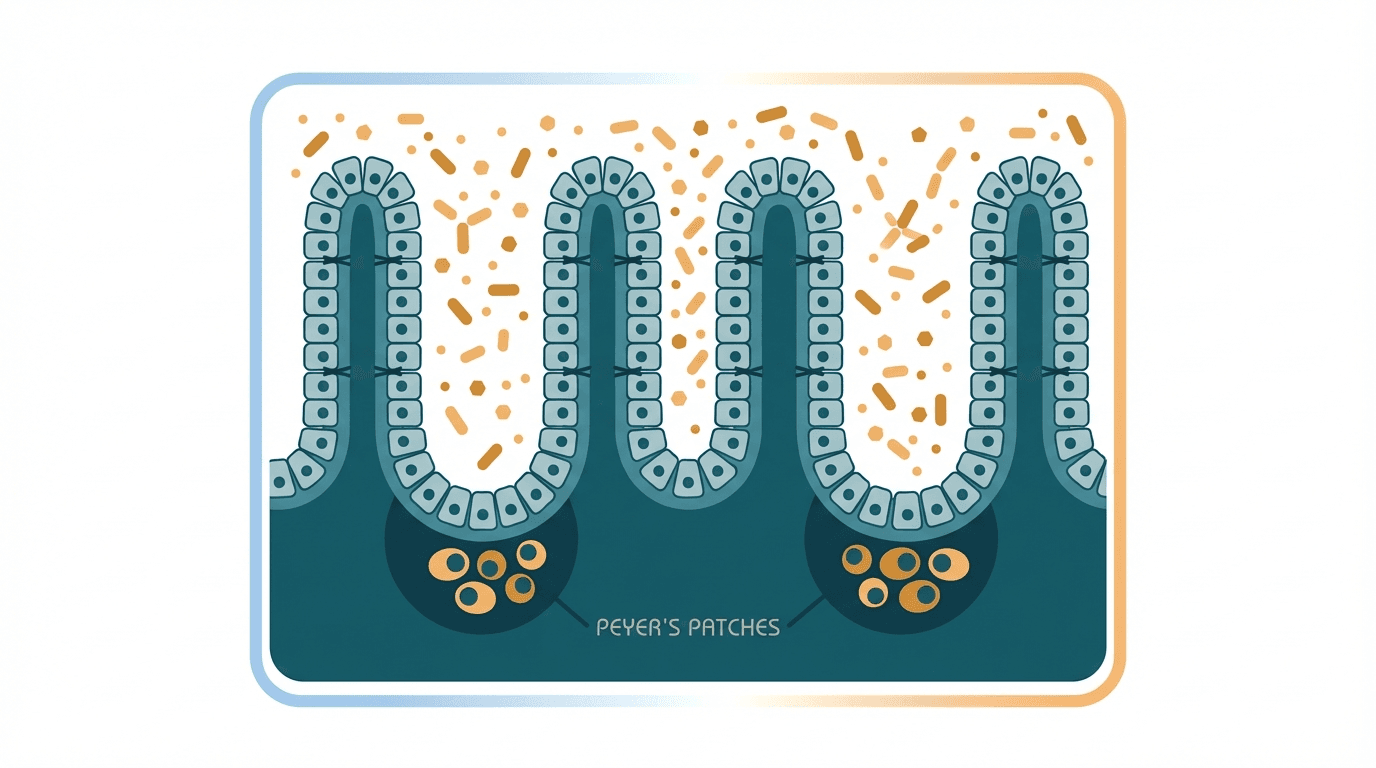
The gastrointestinal tract is one of the most responsive systems to peptide therapy, owing to the gut's inherent reliance on endogenous peptides for motility, mucosal defense, immune regulation, and epithelial repair. BPC-157 (Body Protection Compound) is arguably the most studied gut-healing peptide, originally isolated from human gastric juice and shown across dozens of preclinical studies to accelerate healing of ulcers, fistulas, and inflammatory lesions throughout the GI tract. The antimicrobial peptides KPV and LL-37 address gut health from a different angle — modulating the innate immune response and maintaining microbial balance at the mucosal surface. Vasoactive Intestinal Peptide (VIP) regulates gut motility, secretion, and immune tolerance in the gut-associated lymphoid tissue. Together, these peptides offer a multi-target approach to restoring gut barrier integrity, calming intestinal inflammation, and supporting a healthy microbiome.
Best Peptides for Gut Health
Mechanism: Derived from human gastric juice, promotes angiogenesis via VEGF pathway, upregulates growth hormone receptors in intestinal tissue, accelerates granulation tissue formation, and modulates the NO system to protect gastric mucosa
Key benefit: The most extensively researched gut-healing peptide — shown in over 100 preclinical studies to heal gastric ulcers, esophageal lesions, inflammatory bowel lesions, fistulas, and short bowel anastomoses
Mechanism: C-terminal tripeptide fragment of alpha-melanocyte stimulating hormone (α-MSH) that suppresses NF-κB nuclear translocation in intestinal epithelial cells and macrophages, directly reducing pro-inflammatory cytokine production (TNF-α, IL-1β, IL-6)
Key benefit: Potent anti-inflammatory activity specifically in colonic tissue — shown in murine colitis models to reduce inflammatory scores comparable to conventional anti-inflammatory drugs, with potential for oral delivery
Mechanism: Human cathelicidin antimicrobial peptide that disrupts bacterial cell membranes, neutralizes lipopolysaccharide (endotoxin), modulates dendritic cell and macrophage function, and promotes epithelial wound closure via EGFR transactivation
Key benefit: Dual-action antimicrobial and immunomodulatory peptide that defends the gut mucosal barrier against pathogenic bacteria while promoting epithelial repair — particularly relevant for dysbiosis-driven gut conditions
Mechanism: Endogenous 28-amino-acid neuropeptide that binds VPAC1/VPAC2 receptors throughout the gut, regulating smooth muscle relaxation, intestinal secretion, blood flow, and promoting regulatory T-cell differentiation in gut-associated lymphoid tissue
Key benefit: Broad regulatory peptide that modulates gut motility, reduces intestinal inflammation, and supports immune tolerance — studied in the context of chronic inflammatory diarrhea, SIBO, and mast cell activation disorders
Quick Comparison
| Peptide | Efficacy | Key Benefit | Profile |
|---|---|---|---|
| BPC-157 | high | The most extensively researched gut-healing peptide — shown in over 100 preclinical studies to heal gastric ulcers, esophageal lesions, inflammatory bowel lesions, fistulas, and short bowel anastomoses | View → |
| KPV | moderate | Potent anti-inflammatory activity specifically in colonic tissue — shown in murine colitis models to reduce inflammatory scores comparable to conventional anti-inflammatory drugs, with potential for oral delivery | View → |
| LL-37 | emerging | Dual-action antimicrobial and immunomodulatory peptide that defends the gut mucosal barrier against pathogenic bacteria while promoting epithelial repair — particularly relevant for dysbiosis-driven gut conditions | View → |
| VIP (Vasoactive Intestinal Peptide) | emerging | Broad regulatory peptide that modulates gut motility, reduces intestinal inflammation, and supports immune tolerance — studied in the context of chronic inflammatory diarrhea, SIBO, and mast cell activation disorders | View → |
References
- Stable gastric pentadecapeptide BPC 157: novel therapy in gastrointestinal tract (2016) — PubMed
- Anti-inflammatory properties of the tripeptide KPV in colitis (2008) — PubMed
- The human cathelicidin LL-37 — a multifunctional peptide involved in infection and inflammation in the lung (2006) — PubMed
- Vasoactive intestinal peptide: a neuropeptide with pleiotropic immune functions (2006) — PubMed
- BPC 157 and its relationship with the gastrointestinal tract — a review (2021) — PubMed
Frequently Asked Questions
What is the best peptide for gut healing?
Can peptides help with leaky gut (intestinal permeability)?
Are gut peptides safe to take orally?
Can peptides help with IBS or IBD?
How long does it take for BPC-157 to heal the gut?
Explore next
- BPC-157The most extensively researched gut-healing peptide — shown in over 100 preclinical studies to heal gastric ulcers, esophageal lesions, inflammatory bowel lesions, fistulas, and short bowel anastomoses
- KPVPotent anti-inflammatory activity specifically in colonic tissue — shown in murine colitis models to reduce inflammatory scores comparable to conventional anti-inflammatory drugs, with potential for oral delivery
- LL-37Dual-action antimicrobial and immunomodulatory peptide that defends the gut mucosal barrier against pathogenic bacteria while promoting epithelial repair — particularly relevant for dysbiosis-driven gut conditions
- VIP (Vasoactive Intestinal Peptide)Broad regulatory peptide that modulates gut motility, reduces intestinal inflammation, and supports immune tolerance — studied in the context of chronic inflammatory diarrhea, SIBO, and mast cell activation disorders
- BPC-157 dosage guideComprehensive BPC-157 dosage guide covering subcutaneous, intramuscular, and oral administration protocols. Includes reconstitution instructions, cycle guidance, stacking considerations, and references to published preclinical research on this gastric pentadecapeptide.
- KPV dosage guideEducational reference covering KPV tripeptide dosage protocols for gut, systemic, and topical anti-inflammatory applications. Dosing information discussed in published research literature for informational purposes only.